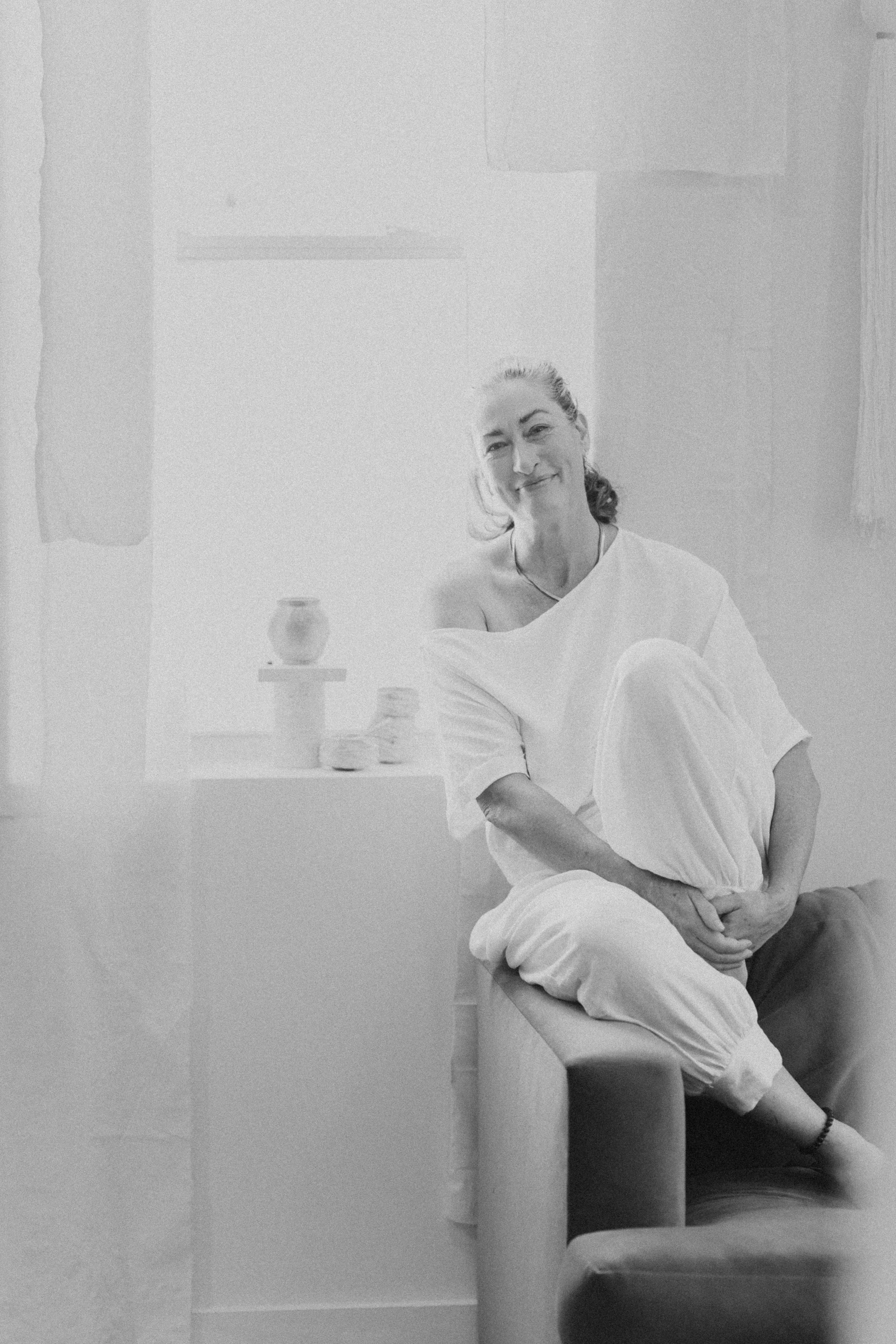
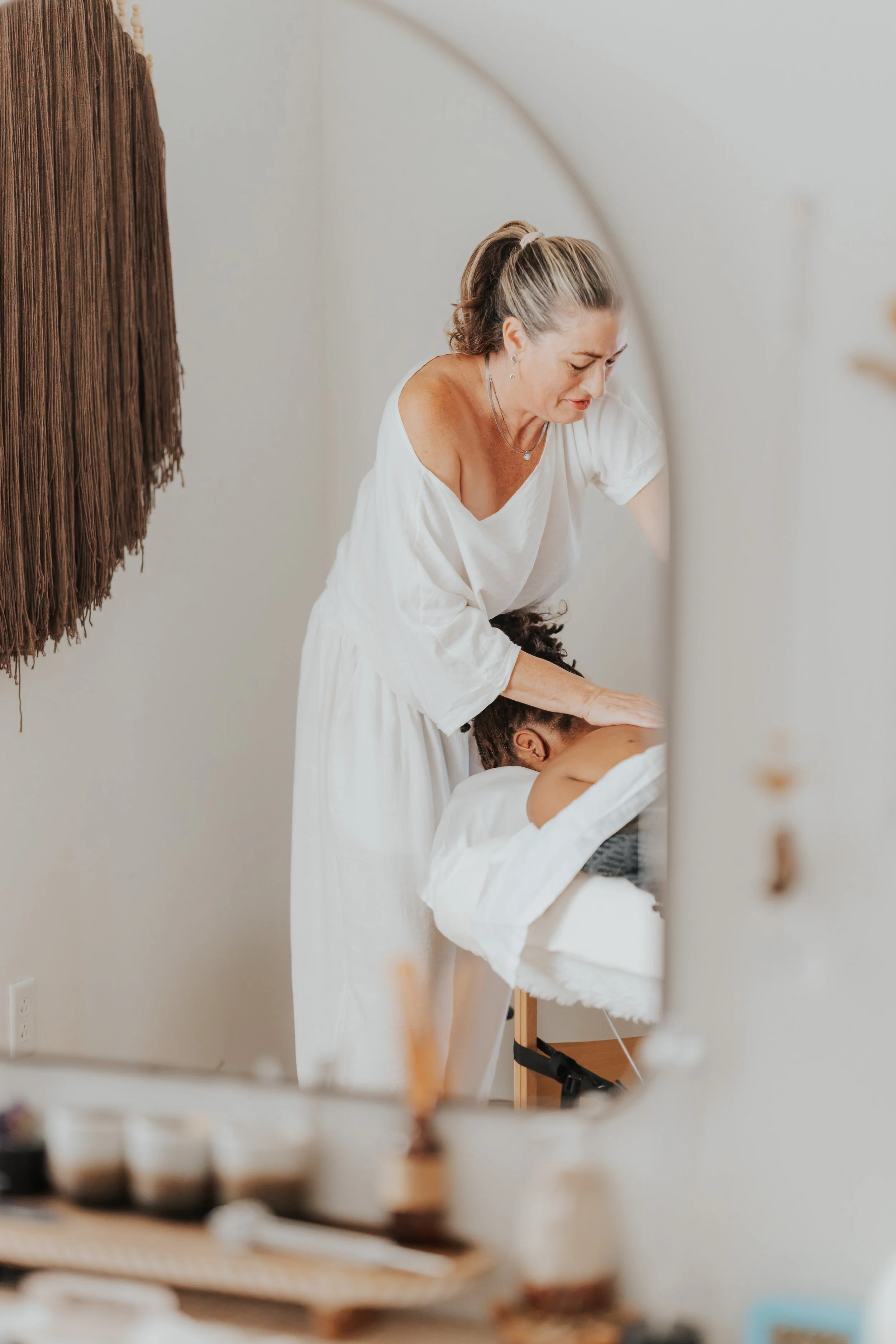
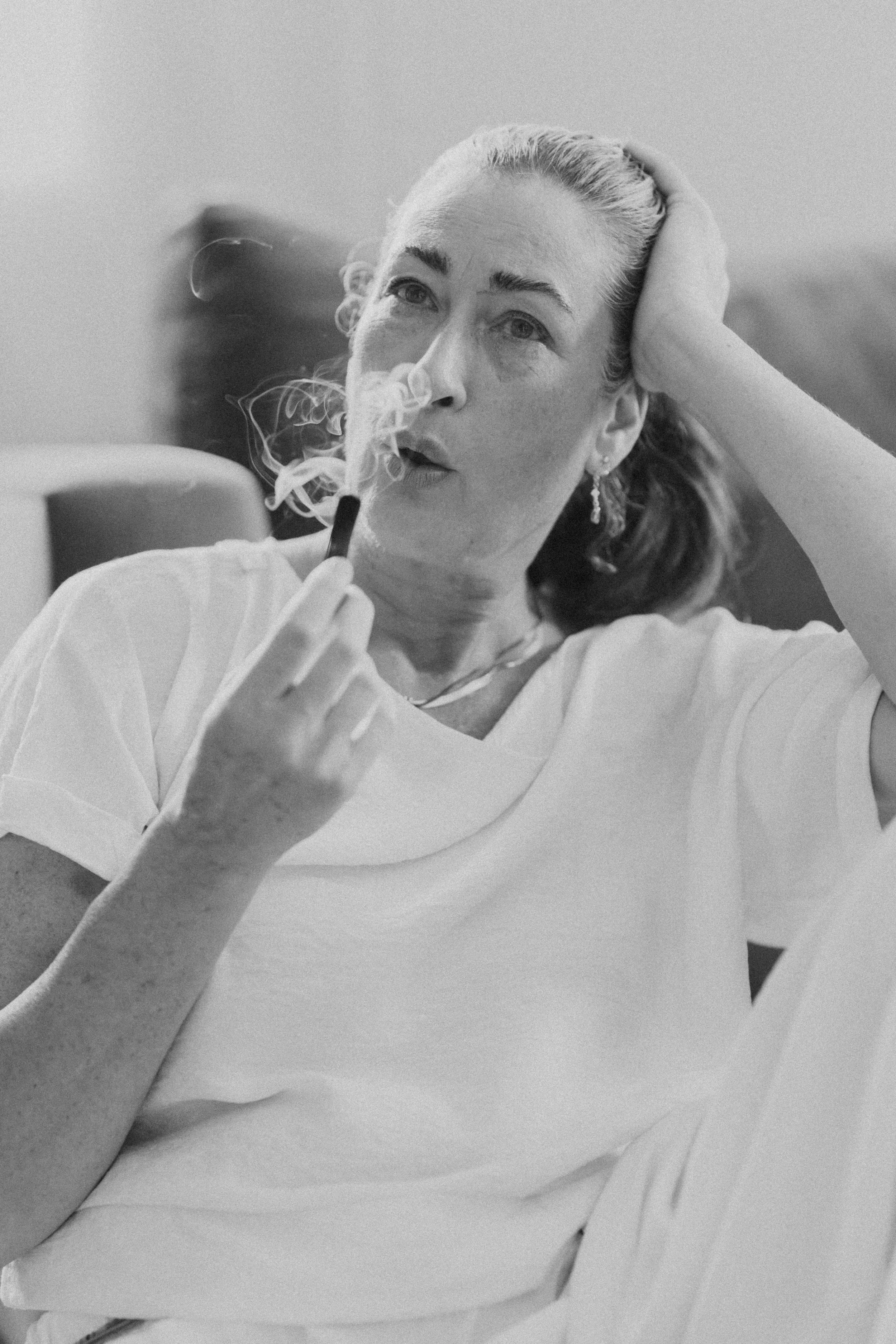
Meet Rachel
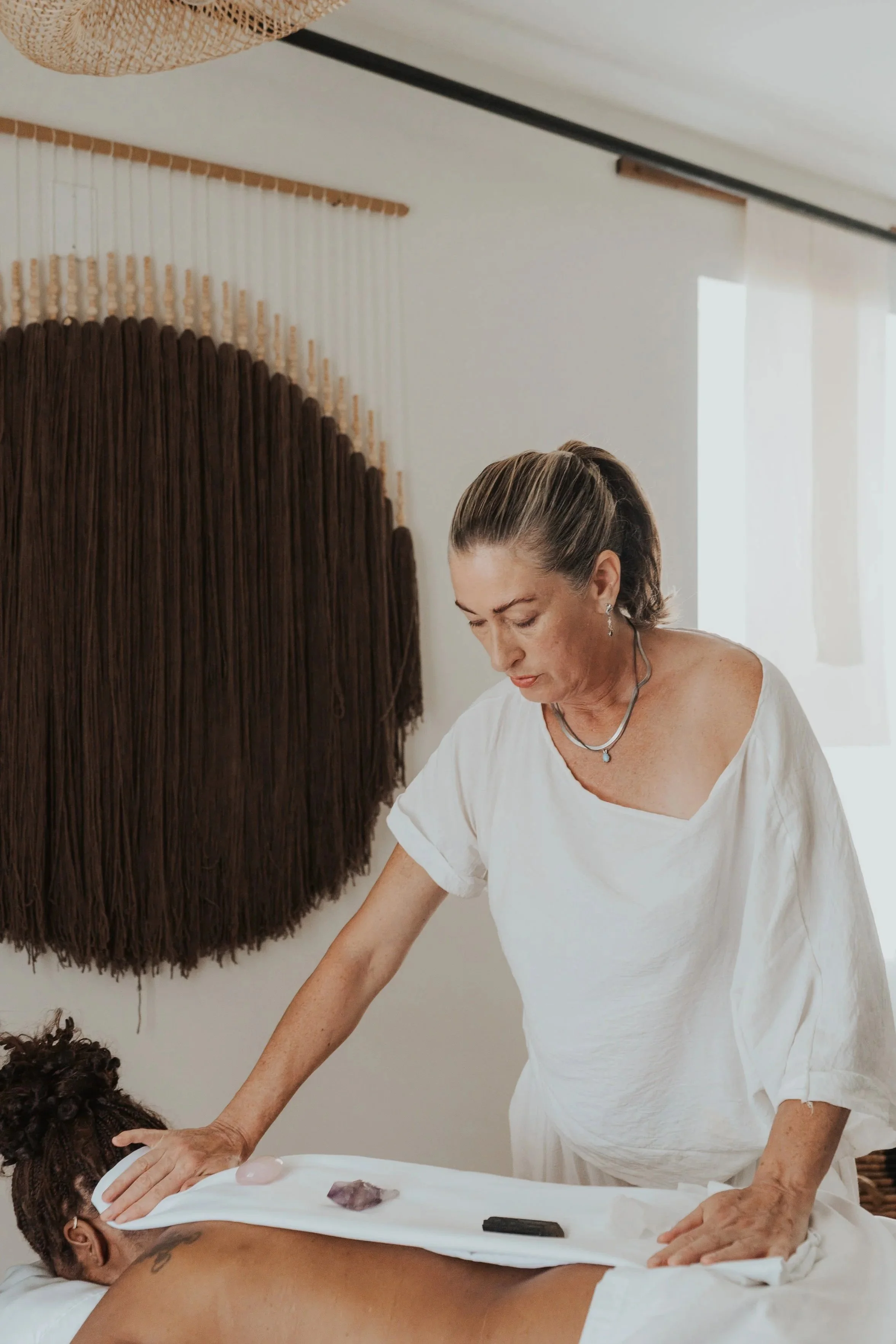
Creating Holistic Healing Together
Bodywork, nervous system care & the art of coming home to yourself
For me, bodywork is so much more than massage. It is a practice of coming home to ourselves — to our bodies, our breath, our aliveness, and the parts of us that have been waiting to be felt, heard, and cared for.
Massage therapy changed my life. Both receiving it and learning to provide it helped bring me back to myself. Before I found this work, I carried pain and heaviness in ways that reached far beyond my physical body. I was navigating a marriage and career that were depleting my body and spirit, and I had lost touch with parts of myself I didn't even realize were missing.
Bodywork became a turning point. It helped me reclaim my sense of self-worth, discover purpose, and create a life rooted in greater freedom and independence. It changed the way I understood my health, my emotions, my relationships, and my place in the world.
And it continues to change me.
Through this work, I've come to question the idea that we are separate from one another, from nature, or from the world around us. I've learned to listen more closely, to meet myself with greater compassion, and to recognize that caring for ourselves isn't selfish — it's foundational. The more I learn about the body, the more curious I become about the remarkable relationship between our physical experience, our emotional lives, our environment, and the stories we carry.
This is the heart of my practice: creating space for the body to be met with curiosity rather than judgment, and care rather than force.
An art and a science
My approach to bodywork lives somewhere between science and spirituality, with both informing the way I listen, learn, and practice.
The science gives me a foundation. It invites me to understand anatomy, physiology, movement, the nervous system, and the many ways our bodies respond to touch. It reminds me to stay curious, keep learning, and respect the individuality of each person.
The art asks me to be present with what cannot always be explained in words. It invites intuition, creativity, subtlety, and a willingness to listen beyond a checklist. It is the difference between performing a technique and truly meeting the person in front of me.
Neither tells the whole story on its own. Together, they allow me to approach each session with both knowledge and wonder — grounded in what I know, open to what I am still learning.
No two bodies are the same. No two days are the same. And no two sessions should be, either.
Relaxation.
Activation.
Aliveness.
I believe we need both the permission to soften and the invitation to come alive.
Sometimes relaxation is beautifully simple. It might be a long, unhurried exhale. A moment when the jaw unclenches, the shoulders drop, or the mind finally gets a little quieter. Sometimes it means allowing yourself to pause without needing to accomplish anything at all.
And sometimes, the most meaningful thing we can do is reconnect with our mojo.
Activation is that little spark — the moment you feel your energy return, your curiosity wake up, or a quiet “Okay. Okay. Okay.” rise from somewhere deep inside you. It is the willingness to engage with life again.
These aren't destinations we reach once and keep forever. They are practices. We learn to recognize when we need to soften and when we need to rise, when to rest and when to move, when to receive and when to act.
My work makes room for both.
Your body. Your session. Your way.
My treatments are deeply customized because your needs are not interchangeable.
Some sessions call for focused, physical bodywork. Others invite a slower pace, more space to breathe, or a gentler approach that supports relaxation and presence. Depending on what feels appropriate for you, my work may also incorporate energy-based practices, including Reiki.
I follow the needs of the person in front of me rather than a predetermined formula. I bring my training, experience, attention, and intuition to each session, adapting as we go.
For me, bodywork is a conversation — one in which listening matters just as much as technique.
Over time, I've also become fascinated by the ways our personal experiences connect with the wider world. The pace of a week, the weight of a season, the things happening in our communities, and the natural rhythms around us can all influence how we feel. I pay attention to these patterns with curiosity, not assumption, recognizing that our bodies are part of a much larger living system.
A practice of keeping it alive
Sharing this work with others keeps me connected to the very things I hope to offer: presence, curiosity, compassion, and a willingness to keep growing.
It asks me to practice what I believe. To keep listening. To keep learning. To remember that I am human, too.
I don't believe bodywork is about fixing someone or making them into a different person. It is about creating the conditions for a deeper relationship with the person they already are — supporting a little more ease, a little more awareness, a little more room to feel and move through life.
My hope is that you leave a session feeling more connected to yourself. Perhaps softer. Perhaps more energized. Perhaps simply more able to hear what you need.
There is no single right way to feel, and no one-size-fits-all path toward well-being.
There is just this body, this moment, this opportunity to listen.
And we can begin there.